
Playing live blackjack dealer australia with a clear head
I caught up with a game designer who’s spent years tuning live tables for land-based rooms and now builds the same maths for screens, and he reckons the trick is treating the video feed like a physical pit, not a video slot. We talked through how a regular Aussie player actually meets the table, what happens behind the glass, and why the little account controls matter more than the flashy side bets. The chat drifted into regional New South Wales pubs and how a good live floor keeps things steady when the arvo crowd rolls in, which is where this piece lands.
Sitting down at a real table from home
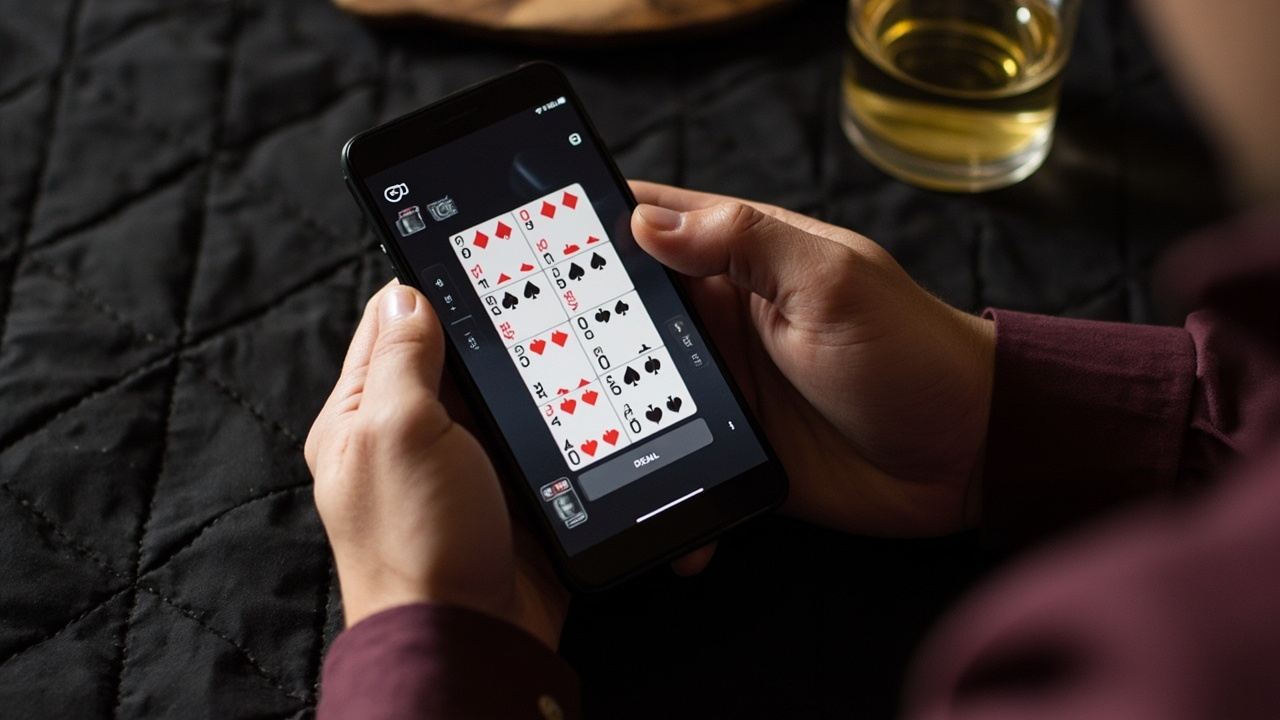
When you first tap into a live blackjack dealer australia session, the screen usually opens on a wide shot of the felt, the shoe, and a dealer who’s already half-way through a shuffle. You’re not clicking a reel; you’re placing chips on a digital layout that mirrors the same basic decisions you’d make at a land-based table, and the designer I spoke to pointed out that the pacing has to feel deliberate, not frantic. He compared it to how a slot producer would tune hit frequency and volatility, except here the variance comes from the card distribution and the rules on the felt, not from a random number generator chasing a target payout. The real test is whether the player can actually read the table without squinting, so a decent setup keeps the camera steady, shows the bust card clearly, and doesn’t bury the action under pop-ups. If you’re playing from a laptop on the kitchen bench or a phone on the train, the same deal speed has to work, which is why a lot of producers cap the round time and keep the button layout consistent rather than reinventing it for mobile. One thing that comes up early is the registration flow, because a table you can’t access is just a pretty video, and the designer noted that a clean sign-up with clear limits beats a long questionnaire every time. If you’re comparing that live experience to a fast-paced slot like dog house megaways strategy, the difference is obvious: one is about reading a table and managing your stack, the other is about spinning and hoping the maths lines up. dog house megaways strategy Impuestos, criptomonedas y casinos online para
| Detail | What you typically see |
|---|---|
| Table rules | Standard 52-card shoe, dealer stands on soft 17, late surrender often available |
| Bet range | Small stakes up to higher limits, with table minimums that suit casual play |
| Currency | AUD on most local-facing tables, with clear conversion shown before you play |
| Registration | Basic details and age check before the first real-money hand |
| Mobile | Same table feed on phone or tablet, with touch-friendly chip placement |
| Support | Live chat and email during busy hours, with a phone line for account matters |
What the table actually does with your money and your account
Once you’re actually playing, the focus shifts from the video to the controls around it, and that’s where a lot of players either feel comfortable or start wondering who’s watching the door. The designer I spoke to was blunt that a live table should feel like a licensed room, which means the operator needs to show its licence, keep the data handling tight, and make the responsible-play tools easy to find instead of hiding them in a deep menu. He described a good setup as one where you can set a deposit limit, take a short breather, or lock yourself out without hunting through five screens, because those controls are what keep a busy session from turning into a bad one. Support has to be real people at reasonable hours, not a chatbot that loops forever when your account is stuck, and privacy matters because a live feed already shows a lot; the account side shouldn’t be leaking more than it needs to. He also pointed out that personalised offers are increasingly common, where the operator targets players based on their tracked behaviour, which can be handy when it’s a sensible bonus or a time-out nudge, but it’s worth knowing what’s being tracked and why. If you’re weighing up the tax side of any winnings or crypto-based play, it’s worth reading up on bitcoin casino tax before you assume the rules are the same everywhere. The point he kept coming back to was that a table is only as good as the structure around it, and that’s especially true when you’re playing from a regional New South Wales bedroom on a Tuesday arvo and the connection is just okay.

Keeping the session sensible when the cards go cold
The part that matters most, once the maths and the licence are out of the way, is how you actually behave at the table when luck turns and the bets start feeling urgent. The designer compared a live blackjack dealer australia session to a land-based pit where the dealer keeps the rhythm and the players keep their own discipline, and he said the biggest mistake is treating the live feed like a rescue plan when a hand goes against you. A sensible player sets a limit before the first card, watches the table rules instead of chasing a side bet that pays well but hits rarely, and steps away when the session stops being fun, which is the same kind of restraint a slot producer would build into a responsible-game design. He also noted that the live element can make things feel more social than a solo spin, so it’s easy to keep playing just because the table feels busy, but the account controls and the table limits are there for a reason. If you’re playing on a phone, the same discipline applies; a small screen doesn’t make the game kinder, and a bad run doesn’t care whether you’re on Wi-Fi or data. The best outcome is a session that ends because you chose to stop, not because the bankroll did, and that’s the standard worth aiming for whether you’re at a pub table or in front of a screen.